
Nigerian Football In Crisis,Time To Rescue A Dying Legacy
3 min read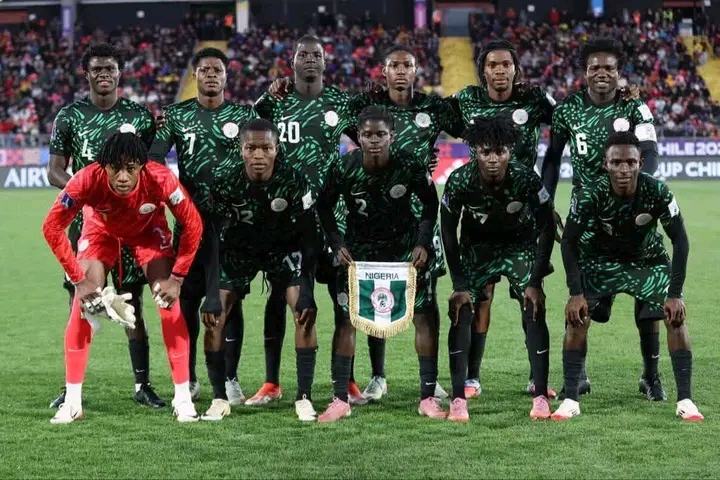
By Sportsgister
Football is more than a sport in Nigeria — it is our pride, our collective heartbeat, and one of the rare forces that unite us across tribe, religion, and region.
It has been a source of national joy and identity, a symbol of hope that transcends social boundaries. Yet today, that pride stands on the brink of ruin.
The question millions of Nigerians are asking is simple: What have we done to deserve the slow, painful destruction of our football?
Both the Nigerian Football Federation (NFF) and the Federal Ministry of Sports must answer this question honestly. For too long, the people entrusted with managing our game have traded professionalism for politics, competence for connections, and progress for personal gain.
When Politics Replaces Passion
How did we get here? The root of Nigeria’s football decay lies in the unholy marriage between politics and administration. Appointments are made not on the basis of knowledge, experience, or passion, but on political loyalty and favoritism.
Football governance has become a reward system for cronies and power brokers, rather than a serious business of development. The NFF has turned into a bureaucratic stronghold where self-interest often outweighs the national interest. And so, the system continues to rot — from the grassroots to the national teams.
The irony is painful: a country once feared and respected in world football now struggles to qualify for major tournaments. This is not by chance; it is the outcome of years of neglect, corruption, and short-sightedness.
A Broken Structure from Bottom to Top
The collapse of Nigerian football didn’t start with the Super Eagles — it began at the grassroots.
Coaching education is outdated, youth development is almost nonexistent, and our domestic leagues are in decline. Instead of long-term planning, we have endless committees and recycled administrators who offer no new ideas.
The absence of a proper football philosophy means that every generation of players starts from scratch.
Our coaches are undertrained and under-supported, while administrators are overcompensated and unaccountable.
There is no sustainable system for scouting, nurturing, or retaining young talent. The result is a national team that constantly depends on foreign-born players to mask the failures of local development.
The Evidence of Decline
Let’s face the hard truth — Nigerian football is in free fall.
The U-17 team, once the pride of Africa and multiple-time world champions, failed to qualify for AFCON and the World Cup.
The U-20 side was eliminated early at the FIFA World Cup after a lackluster campaign.
The Super Eagles, once a symbol of African excellence, are on the verge of missing another World Cup appearance.
These failures are not coincidences — they are the direct result of a system built on incompetence, corruption, and disregard for merit. The humiliation Nigeria faces on the global stage is a mirror reflecting years of administrative failure.
Mr. President, Football Needs Reform — Not Politics
President Bola Ahmed Tinubu and National Sports commission must now take bold, decisive action. Football cannot continue to serve as a political bargaining chip.
The nation demands a total overhaul of the NFF — one grounded in merit, transparency, and professionalism.
Technical competence must return to the forefront. Coaches should be trained with modern methodologies.
Grassroots programs must be revived with real investment, not photo opportunities. The Nigerian league must be strengthened and made commercially viable to attract sponsors, fans, and global recognition.
Equally, accountability must become a norm. Those who have failed to deliver progress should step aside for individuals who understand the demands of modern football. Sentiment and favoritism can no longer guide national appointments.
The Way Forward
Rebuilding Nigerian football will not be easy, but it is possible — if we return to merit and purpose. We need visionaries who can plan for the next generation, not opportunists looking for short-term gains. We must reestablish structures that prioritize youth development, fair competition, and technical excellence.
Football has the power to restore national pride, create jobs, and inspire unity. But if nothing changes, we risk losing an essential part of our identity.
This is not just about goals and trophies; it’s about restoring the soul of a nation. The time to act is now — not for politics, not for profit, but for the pride of Nigeria and the future of our football.
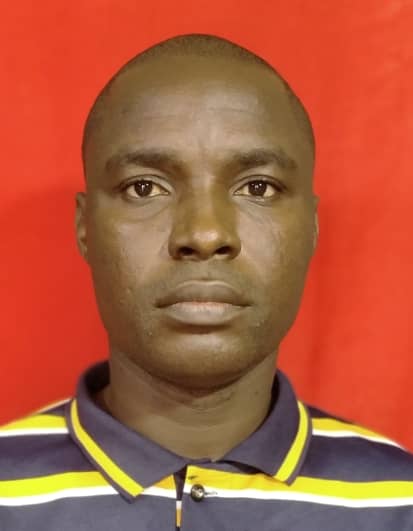
Sedara Philip is a Sports writer, an administrator,Journalist,and editor