
Ahmadu Kida Reaffirms Commitment To Sustainable Growth As NBBF Engages Media on State of Nigerian Basketball
4 min read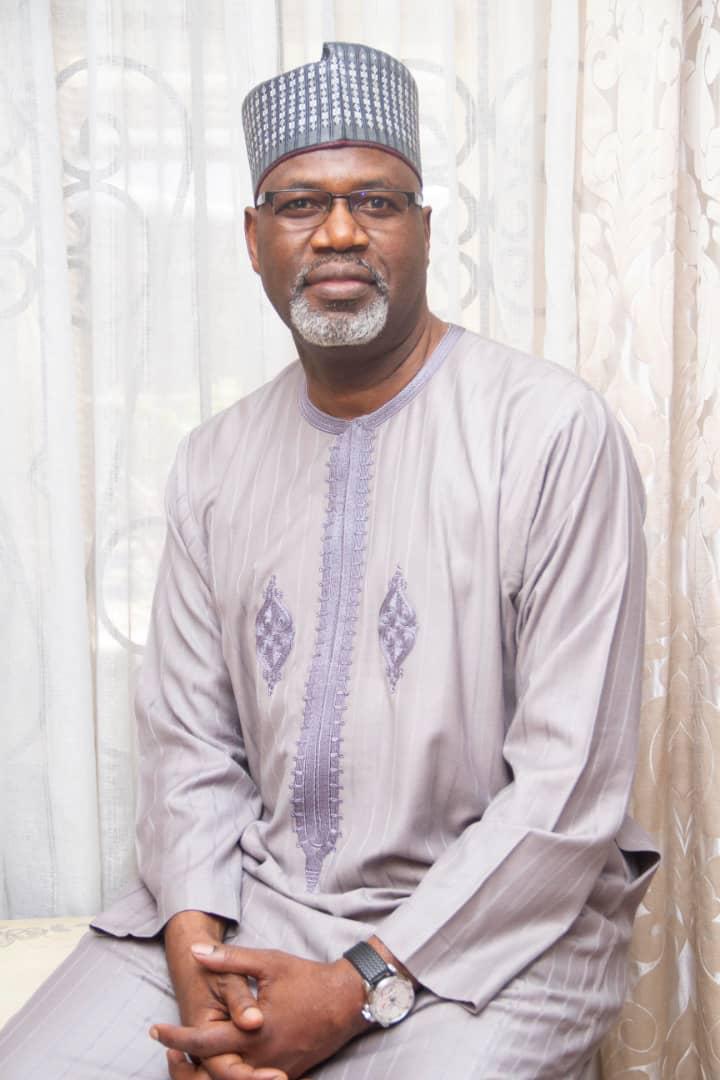
The President of the Nigeria Basketball Federation (NBBF), Engr. Ahmadu Musa Kida, held an extensive interactive session with sports journalists, providing strategic insights into the current state of basketball in Nigeria, ongoing reforms, and the Federation’s roadmap for 2026 and beyond.
The session, which fostered transparency and collaboration with the media, featured the formal introduction of key members of the NBBF Board.
Engr. Kida disclosed that the Board has approved a comprehensive 2026 Activities Calendar, which will soon be made public. The calendar features a dense schedule of domestic and international engagements, reinforcing Nigeria’s participation in key continental competitions under the auspices of FIBA.
He affirmed that Nigeria will remain fully engaged in continental tournaments while intensifying efforts to strengthen its domestic structures.
A significant highlight of the engagement was the Federation’s deliberate restructuring of the domestic league system to enhance competitiveness and sustainability.
According to Kida, the Zenith Bank-sponsored women’s league has been restructured into two competitive tiers:
Zenith Bank Women’s Premier League – featuring the top 16 teams in the country and the Zenith Bank Women’s Division One – a newly established developmental platform comprising 16–17 teams, serving as a feeder system into the Premier League.
According to Kida, the restructuring has significantly improved the standard of play.
“I am happy to see that the gap between the so-called big teams and the others is narrowing. It shows that basketball is being played everywhere and the skills are being developed at the grassroots level.”
The Federation also acknowledged the progress recorded in Divisions One and Two in the men’s category. Reflecting on the previous season, Kida noted that teams played one of the highest numbers of matches in recent history, culminating in a successful Premier League Finals in Port Harcourt, where the Lagos Legends emerged champions.
He emphasized that the Federation remains committed to ensuring the domestic league is played consistently, providing local players with a viable pathway to the national teams.
“We want to give our local players the platform to showcase their talents and potentially make it to the national teams. The goal is to have a sustainable league that can attract sponsors and provide a career path for our youth.”
Engr. Kida paid tribute to Zenith Bank’s nearly two-decade partnership—approximately 18 to 19 years—with Nigerian women’s basketball, describing it as foundational to the success of the senior women’s national team, popularly known as D’Tigress.
He announced a major shift in the sponsorship framework:
From Annual to Long-Term Agreements: Sponsorship negotiations, previously conducted yearly, are transitioning into long-duration agreements.
Improved Planning Stability: This provides the Federation with a predictable baseline for planning league start dates and operational logistics well in advance.
Broader Corporate Interest: Additional sponsorship approvals—including kit partnerships and expressions of interest in both the men’s and women’s national teams—have been secured, with formal public signings to follow.
TotalEnergies was also recognized for its consistent support of Divisions One and Two over the past five to six years.
Addressing questions on the senior national teams—D’Tigers and D’Tigress—Kida reaffirmed the Federation’s commitment to maintaining Nigeria’s dominance on the African continent.
He acknowledged logistical and funding challenges associated with international qualifiers and championships but praised the dedication of both home-based and foreign-based players who continue to honour national call-ups despite constraints.
On questions surrounding leadership continuity and constitutional interpretations, the NBBF President confirmed that engagements have been held with the National Sports Commission and other senior stakeholders.
He disclosed that formal petitions have been submitted to FIBA regarding mandate timelines, and the Federation is currently awaiting a definitive ruling to clarify the constitutional position.
“Our focus remains the basketball family and moving the sport forward collectively.”
Kida candidly addressed structural challenges facing Nigerian basketball, particularly in funding and infrastructure.
Facility Improvements: The need for modern indoor sports halls and accessible courts nationwide.
Technical Capacity: Ongoing plans to train more local coaches and referees to maintain high officiating and technical standards.
Private Sector Collaboration: A renewed call to corporate Nigeria to invest in basketball as a powerful youth-engagement brand.
“Basketball is a huge brand with a massive following among the youth. We are calling on corporate Nigeria to partner with us.”
The President reiterated that youth development remains central to the Federation’s strategy. Scouts are actively present at domestic league matches to identify emerging talents for national team consideration, while tournaments are being expanded across all geopolitical zones to deepen national reach.
“What we see here today is a testament to the fact that Nigerian basketball has a very bright future.”

Sedara Philip is a Sports writer, an administrator,Journalist,and editor