
AFCON 2025: Morocco’s Perfect Pitches Hold a Mirror to Nigeria’s Stadium Crisis
3 min read
By Sportsgister
One of the most striking sights at the ongoing 2025 Africa Cup of Nations in Morocco has not only been the quality of football on display, but the impeccable condition of the playing pitches.
Across host stadiums, the surfaces have remained lush, firm, and consistently playable despite persistent rainfall. This level of excellence is neither accidental nor climate-induced. It is the result of deliberate planning, scientific application, advanced technology, and disciplined governance.
Morocco has made a conscious investment in state-of-the-art hybrid natural grass pitches—a sophisticated system that blends natural grass with synthetic fiber reinforcement. Though still rare across Africa, this technology delivers durability, uniform playing conditions under varying weather, and reduced water consumption. Importantly, it meets the highest FIFA and CAF standards, which explains why Moroccan stadiums have been confidently entrusted with hosting both the opening match and the final of this major continental tournament.
The contrast with Nigeria’s situation could not be more glaring.
At present, only one stadium in Nigeria—the Akwa Ibom International Stadium—is consistently approved by CAF to host sanctioned international matches. This is not a reflection of Nigeria’s footballing talent or its deep-rooted passion for the game. Rather, it highlights years of infrastructural neglect, poor maintenance culture, weak pitch management, and the persistent sidelining of science in policy decisions.
For decades, Nigerian stadiums have struggled to sustain quality natural grass pitches. Facilities are routinely subjected to non-sporting activities, maintenance schedules are irregular, and professional turf management remains largely absent. The result is a system where even well-intentioned efforts collapse under poor execution.
Several stadiums still attempting to maintain natural grass are finding the task increasingly daunting. I have personally listened to senior sports council officials responsible for Adamasingba Stadium in Ibadan, Ogbemudia Stadium in Benin, Adokiye Amiesimaka Stadium in Port Harcourt, and the Rashidi Yekini Arena in Ilorin. Their experiences echo the same concern: keeping a stadium match-ready year-round, regardless of weather conditions, is extremely difficult under the current framework.
As a temporary solution, many authorities turned to fully synthetic pitches. While these surfaces are easier to maintain, they have introduced new challenges, particularly around player welfare—ranging from joint strain to increased injury risks. This has created a troubling paradox: facilities that exist in form, but fall short in function.
Morocco’s hybrid pitch model offers a viable and sustainable alternative. By combining the comfort and safety of natural grass with the resilience of synthetic reinforcement, hybrid pitches deliver durability without compromising player health. They are climate-adaptable, professionally certified, and aligned with modern football demands.
This is a lesson Nigerian sports administrators must urgently embrace.
Here in Morocco, I have sighted several officials from State Sports Councils and the National Sports Commission. One can only hope they are taking notes. Nigeria must move beyond short-term, politically motivated projects and adopt evidence-based infrastructure planning.
Stadiums are not monuments for commissioning ceremonies; they are living systems that demand science, professionalism, and long-term investment.
Morocco’s AFCON success proves that African nations can achieve world-class standards when decisions are driven by competence rather than convenience. If Nigeria is serious about reclaiming its place as a continental football powerhouse, the pathway is clear: modern pitch technology, professional maintenance culture, and hybrid solutions that meet global benchmarks.
Ultimately, this conversation extends beyond football. It speaks to governance, foresight, and the collective willingness to choose excellence over expediency.
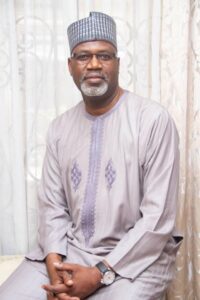
Sola Fanawopo
Chairman, Osun Football Association (writing from Morocco)
Sedara Philip is a Sports writer, an administrator,Journalist,and editor