
Beyond The Medals: Nigeria’s Sporting Struggles And Successes At 65
3 min read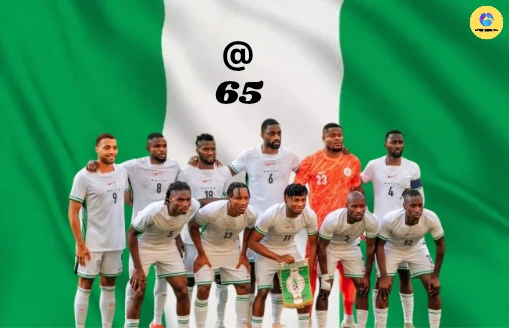
By Sportsgister
As Nigeria clocks 65 years of independence, sports stands out as one of the nation’s most significant unifiers and global identifiers.
From the dusty football pitches of Lagos Island in the 1960s to the packed stadia of Abuja and Uyo today, sports has mirrored Nigeria’s journey—its triumphs, struggles, resilience, and unrealized potential.
Achievements Across the Years
1. Football – The Pride of the Nation
AFCON Glory: Nigeria has won the Africa Cup of Nations (AFCON) three times (1980, 1994, 2013), establishing itself as one of the continent’s football giants.
Olympic Feat: At the Atlanta 1996 Olympics, the “Dream Team” stunned the world by winning the men’s football gold medal, the first by an African country.
Youth Success: The Golden Eaglets have been the most successful team in FIFA U-17 World Cup history, winning five titles (1985, 1993, 2007, 2013, 2015).
Women’s Football: The Super Falcons remain the most dominant women’s national team in Africa, with 11 Women’s Africa Cup of Nations (WAFCON) titles, consistently flying Nigeria’s flag on the global stage.
2. Track and Field – Sprinting into History
Olympic Medals: Chioma Ajunwa made history at Atlanta 1996 by winning Nigeria’s first-ever Olympic gold medal in athletics (long jump).
Global Icons: Athletes like Blessing Okagbare, Falilat Ogunkoya, and Ese Brume have carried Nigeria’s banner at World Championships and Olympics, with Brume winning medals in Tokyo 2020 and other global meets.
Relay Strength: Nigeria has consistently produced strong relay teams, particularly in the 4x100m and 4x400m events.
3. Boxing – The Early Glory
Boxing gave Nigeria its first Olympic medals in the 1960s, with Nojeem Maiyegun winning bronze in 1964. Later, fighters like Hogan “Kid” Bassey and Dick Tiger were world champions, paving the way for future boxing talents.
Contemporary fighters like Anthony Joshua, of Nigerian heritage, have further elevated Nigeria’s boxing profile on the global stage.
4. Other Sports
Basketball: Nigeria’s D’Tigers shocked the world by defeating the United States in a pre-Olympics exhibition in 2021, a symbol of the nation’s potential. They also became the first African men’s basketball team to qualify for the Olympics.
Para-Sports: Nigerian para-athletes have been exceptional, especially in powerlifting, winning multiple Paralympic gold medals and consistently dominating Africa.
Wrestling: Odunayo Adekuoroye and Blessing Oborodudu have put Nigerian wrestling on the global map, with Oborodudu winning Nigeria’s first Olympic wrestling medal (silver) in Tokyo 2020.
Shortcomings and Challenges
While achievements are numerous, Nigeria’s sporting journey at 65 has been hindered by persistent challenges:
1. Inadequate Infrastructure – Many stadia are in poor condition, training facilities are outdated, and grassroots sports development remains underfunded.
2. Poor Administration – Frequent leadership tussles, lack of continuity in policy, and corruption in sports federations have stunted progress.
3. Athlete Welfare – Many Nigerian athletes complain of unpaid allowances, poor treatment, and lack of support, leading some to switch nationality to represent other countries.
4. Decline in Other Sports – While football dominates attention, other sports like hockey, tennis, and table tennis (where Nigeria once excelled with legends like Segun Toriola and Funke Oshonaike) have suffered neglect.
5. Brain Drain – Talents born or raised in Nigeria often migrate to other nations with better support systems, leaving Nigeria unable to harness its full sporting potential.
The Way Forward
At 65, Nigeria must reimagine its sports sector not only as a tool for national unity but also as an economic driver. With better investment in infrastructure, transparent administration, robust grassroots development, and improved welfare for athletes, Nigeria can reclaim its place as a continental leader and global force in sports.
Conclusion
Sports has been one of Nigeria’s most powerful soft powers over the past 65 years, giving the country global visibility, moments of pride, and unity across ethnic and political divides.
Yet, the journey has been mixed—illuminated by flashes of brilliance but clouded by systemic shortcomings. As Nigeria looks to the future, sports should no longer be seen merely as recreation but as a national asset worthy of deliberate investment.
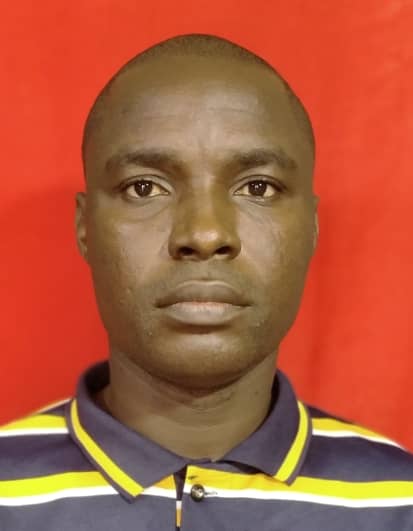
Sedara Philip is a Sports writer, an administrator,Journalist,and editor